
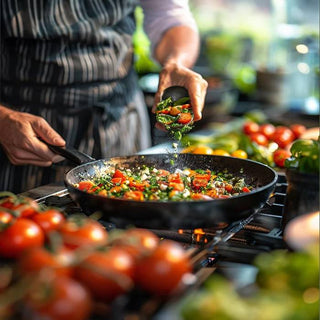


- WHAT IS HERBES DE PROVENCE - Multi-purpose spice blend made from a combination of Oregano, Thyme, Rosemary, Lavender that is great with so many dishes, from pizza to fish, poultry and more.
- RECIPES CAN BE FOUND BELOW - Recipe for chicken cream soup with rice can be found below.
- AUTHENTIC FLAVORS - We used our 20 years of blending experience to deliver this authentic blend. The unique combination of herbs makes it so versatile.
- CONTAINS HIGH QUALITY INGREDIENTS - none GMO, no irradiation, no fillers, no preservatives, no agents.
When ordering quantities of 1 lb and above, product might be sent in one bulk bag.
- WHAT IS HERBES DE PROVENCE - Multi-purpose spice blend made from a combination of Oregano, Thyme, Rosemary, Lavender that is great with so many dishes, from pizza to fish, poultry and more.
- RECIPES CAN BE FOUND BELOW - Recipe for chicken cream soup with rice can be found below.
- AUTHENTIC FLAVORS - We used our 20 years of blending experience to deliver this authentic blend. The unique combination of herbs makes it so versatile.
- CONTAINS HIGH QUALITY INGREDIENTS - none GMO, no irradiation, no fillers, no preservatives, no agents.
When ordering quantities of 1 lb and above, product might be sent in one bulk bag.
LEARN MORE ABOUT: Herbes De Provence
Origins and Tradition
Herbes de Provence comes from the kitchens and gardens of southern France, where cooks combined what grew nearby—most often thyme and savory, with rosemary and marjoram or oregano. Historically, these herbs were used fresh or added individually; pre-mixed jars became common only in the mid-20th century. The result captured everyday Provençal cooking—roasts and braises, grilled fish, and country breads—rather than a single fixed recipe.
Versatile Composition and Balance
The backbone is thyme and savory: thyme brings earthy depth; savory adds a peppery, almost thyme-like snap (summer and winter savory are both used). Rosemary contributes a piney note; marjoram and oregano add gentle sweetness; dried basil, if included, should be supportive rather than dominant. Some North American blends add a subtle touch of lavender for aroma; in France it is less typical and should never overwhelm. Fennel seed is occasional, lending a light licorice warmth when used sparingly. The craft is balance—no single herb should shout.
Culinary Use (How to Get the Best Flavor)
For reliable results, use about 1 teaspoon per pound of meat or vegetables (a tablespoon for a stew), and mix with oil or butter first so the herbs don’t scorch. The blend shines in roasted potatoes, chicken, lamb, and grilled fish, and it’s excellent with zucchini, eggplant, and peppers. Try blooming the herbs briefly in warm oil, or infusing them in cream, milk, or stock and straining for sauces. Fold a pinch into bread dough (fougasse/focaccia) or whisk into a vinaigrette or yogurt sauce to finish dishes with a fragrant Provençal lift.
HOW TO USE:👨🍳
Ideal For:
Roasted potatoes, chicken, lamb, grilled fish, vegetable dishes, and breads like fougasse or focaccia. A light touch also enhances cream sauces, vinaigrettes, and even desserts such as crème brûlée.
Storage:
Keep in a cool, dry place, away from direct sunlight, to preserve aroma and potency. Always reseal after use.
Tips:
Mix with olive oil or butter before roasting or grilling to prevent scorching. Use about 1 teaspoon per pound of food, or 1 tablespoon for a full stew. For delicate dishes, infuse in cream, milk, or stock and strain for a subtle Provençal finish.


