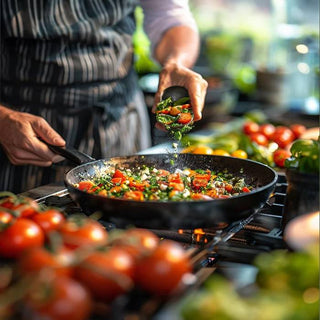

Garam masala is a well-known spice blend that plays a central role in South Asian cooking. Widely used in Indian, Pakistani, Bangladeshi, and Nepali cuisines, it adds depth, aroma, and warmth to a variety of dishes. Unlike single spices, garam masala is a carefully balanced mixture of whole spices, typically toasted and ground together.
The name “garam masala” comes from two words: garam, meaning warm or hot, and masala, meaning a blend of spices. Rather than referring to heat from chilies, the term “garam” describes the warming, aromatic nature of the spices used in the mix.
Common Ingredients in Garam Masala
While the ingredients can vary, most garam masala blends include a combination of the following spices:
-
Cardamom (green or black)
Some variations may also include fennel seeds, star anise, or dried ginger. The proportions of these spices determine the final flavor profile, which can range from mildly sweet and aromatic to bold and peppery.
How Garam Masala Is Made?
Traditionally, garam masala is prepared by dry-roasting whole spices to enhance their aroma. Once roasted, the spices are allowed to cool and then ground into a fine powder. This process helps release the spices' natural oils, resulting in a fragrant, flavorful blend.
In many households, garam masala is made fresh in small batches to preserve its aroma. Commercially available garam masala is widely used and convenient for everyday cooking.
How is Garam Masala Used in Cooking?
Garam masala is a versatile spice blend and can be used in many ways:
-
Added toward the end of cooking to enhance aroma
-
Mixed into curries, gravies, and stews
-
Sprinkled over rice dishes such as pulao or biryani
-
Used in marinades for vegetables, meat, or legumes
-
Incorporated into dry dishes, stir-fries, and lentil preparations
Unlike some spice blends that are cooked early, garam masala is often added in small amounts near the end to preserve its fragrance and flavor.
Regional Variations of Garam Masala
Different regions have their own interpretations of garam masala:
-
North Indian garam masala often emphasizes warming spices like cinnamon, cloves, and cardamom
-
South Indian versions may include more curry leaves, fennel, or coconut-related elements.
-
Pakistani garam masala is typically bold and aromatic, with a strong presence of black pepper and clove.s
-
Kashmiri garam masala may exclude coriander and focus more on fennel and dry ginge.r
These variations make garam masala a highly adaptable spice blend that complements a wide range of dishes.
Other Spice Blends
Garam masala is often compared with curry powder, but the two are pretty different. Curry powder is a standardized blend primarily used in Western kitchens and usually includes turmeric. Garam masala, on the other hand, is rooted in South Asian traditions and does not follow a fixed recipe.
Another difference is usage: curry powder is usually cooked early, while garam masala is commonly added later to enhance aroma.
Shelf Life
To maintain its flavor, garam masala should be stored in an airtight container, away from heat, light, and moisture. Whole spices retain their aroma longer than ground spices, so some cooks prefer to grind garam masala as needed.
Properly stored, ground garam masala can remain flavorful for several months, though its aroma may gradually fade over time.
Homemade vs. Store-Bought
Both homemade and store-bought garam masalas are commonly used, and each has its own place in the kitchen. Homemade garam masala allows complete control over the ingredients and their proportions, making it easier to tailor the flavor to personal or regional preferences. It also offers flexibility to adjust the blend depending on the type of dishes being prepared.
Store-bought garam masala, on the other hand, provides convenience and consistency. It is beneficial for everyday cooking or for those who prefer a ready-made option. Many commercial blends are finely ground and balanced for general use, making them suitable for a wide range of recipes.
How Much Garam Masala to Use?
Garam masala is used in small quantities, as its flavor can be substantial. Most recipes call for a pinch to a teaspoon, depending on the dish and portion size. Adding too much can overpower other ingredients, so moderation is key.
It is often sprinkled near the end of cooking or just before serving. This timing helps preserve the spice blend’s aroma and ensures it complements the dish rather than dominating it.
Non-Vegetarian Dishes
Garam masala works well in both vegetarian and non-vegetarian cooking. In vegetable dishes, it enhances lentils, beans, potatoes, and mixed vegetable curries. In non-vegetarian recipes, it is commonly used in chicken, mutton, beef, and seafood preparations.
Because it blends easily with other spices, garam masala fits naturally into a wide range of recipes without altering the dish's core flavor.
Flavor Profile of Garam Masala
The texture of garam masala is usually fine and powdery, allowing it to mix smoothly into gravies and sauces. Its flavor profile is complex and layered aromatic, slightly sweet, earthy, and peppery depending on the spices used and their proportions.
Unlike spice blends that focus on heat, garam masala emphasizes warmth and fragrance, making it suitable for both mild and richly spiced dishes.
Global Cooking
Today, garam masala is not limited to traditional South Asian cuisine. It is increasingly used in global and fusion cooking, appearing in roasted vegetables, rice bowls, soups, and even baked dishes. Chefs and home cooks alike experiment with garam masala to add depth and aroma to non-traditional recipes.
This adaptability has helped garam masala gain recognition beyond its regional roots, making it a staple in many international kitchens.
Cooking Style
Garam masala adapts well to different cooking styles, including slow cooking, sautéing, and pressure cooking. In slow-cooked dishes, it is often stirred in at the final stage to refresh the flavor. In quick recipes, it may be lightly toasted in oil for a brief moment before mixing with other ingredients.
Its flexibility makes it suitable for both everyday meals and more elaborate recipes.
Garam Masala With Other Spices
Garam masala is rarely used in isolation and pairs well with spices such as turmeric, chili powder, cumin, and coriander. These combinations create layered flavors, where garam masala adds aroma while other spices provide structure and depth.
Understanding how garam masala interacts with other spices helps achieve a more balanced and well-rounded dish.
Aroma Characteristics
The color of garam masala typically ranges from light brown to dark brown, depending on the spices used and how long they are roasted. Darker blends often have a more intense aroma due to deeper roasting.
Its aroma is usually noticeable immediately when added to a hot dish, making it a key finishing element in many recipes.
Final Thoughts
Garam masala is a timeless spice blend that represents tradition, regional diversity, and culinary creativity. From its varied ingredients and preparation methods to its flexible use in cooking, it continues to play an essential role in both traditional and modern recipes. Understanding garam masala allows cooks to use it more confidently and appreciate the balance and craftsmanship behind this iconic blend.
FAQS
1. What does garam masala taste like?
Garam masala has a warm, aromatic, and slightly spicy flavor rather than intense heat. Its taste depends on the blend but is generally rich, earthy, and fragrant due to spices like cardamom, cloves, and cinnamon.
2. Is garam masala the same in every region?
No, garam masala varies widely by region and household. Different regions use different spices and proportions, resulting in unique flavors and aromas across South Asian cuisines.
3. When should garam masala be added during cooking?
Garam masala is usually added toward the end of cooking or just before serving. This helps preserve its aroma and ensures the flavor enhances the dish without overpowering it.
4. Can garam masala be used as a standalone spice?
Yes, garam masala can be used on its own, but it is most often combined with other spices. It works best as a finishing spice, addingdepth and fragrance to a variety of dishes.
5. How should garam masala be stored?
Garam masala should be stored in an airtight container away from heat, light, and moisture. Proper storage helps maintain its aroma and flavor for a longer period.