

Star anise is a beautifully shaped spice known for its star-like appearance and distinct licorice-like flavor. It is widely used in cooking, traditional medicine, and aromatherapy. With its unique taste and impressive health benefits, star anise has become a cherished ingredient in both Eastern and Western cuisines.
The Origin and Appearance
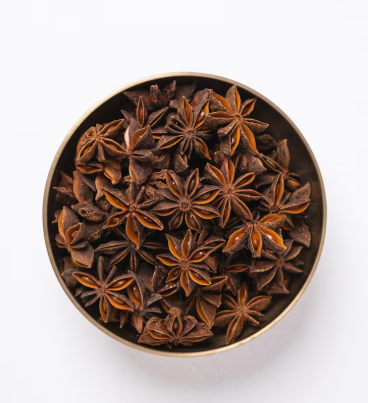
Star anise comes from the fruit of an evergreen tree native to Southeast Asia. Its name comes from its striking shape each pod forms a star with eight points, and each point contains a small, shiny seed. When dried, the pods turn reddish-brown and release a warm, sweet aroma that’s easily recognizable.
Flavor Profile and Culinary Uses
The flavor of star anise is sweet, spicy, and slightly bitter, often compared to licorice or fennel. It is a key ingredient in many Asian dishes, particularly in Chinese and Vietnamese cuisines. Star anise is frequently used in soups, stews, marinades, and spice blends, such as five-spice powder.
In Western cooking, it’s sometimes added to baked goods, mulled wines, and fruit compotes for a touch of sweetness and depth. Due to its strong flavor, only a small amount is required to enhance a dish.
Star Anise vs. Anise Seed
Though their names and flavors are similar, star anise and anise seed come from different plants. Star anise comes from a tree native to Asia, while anise seed originates from a herb in the Mediterranean region. Despite their various sources, both contain a compound called anethole, which gives them their signature licorice-like aroma and taste.
How to Use Star Anise?
Star anise can be used whole or ground. Here are a few common ways to include it in your routine:
-
Cooking: Add whole pods to soups, stews, and curries for a rich, aromatic flavor. Remove them before serving.
-
Baking: Use ground star anise in cakes, cookies, or spice blends for a warm, exotic flavor.
-
Tea: Steep one or two pods in hot water with cinnamon or ginger for a soothing, aromatic beverage.
-
Aromatherapy: Its essential oils are sometimes used in diffusers for their calming scent.
Precautions and Storage
While Star anise is generally safe for culinary use, it’s essential to ensure that it’s from an edible source, as some varieties (such as the Japanese type) are toxic and not suitable for consumption. Always use culinary-grade star anise.
To preserve its flavor and aroma, store it in an airtight container away from moisture, heat, and direct sunlight. When stored properly, it can last up to a year.
Culinary Creativity with Star Anise
One of the reasons star anise is loved by chefs and home cooks alike is its ability to elevate both sweet and savory dishes. Here are some creative ways to incorporate it into your recipes:
-
In Soups and Broths: Add one or two whole pods while simmering chicken or vegetable broth. The spice adds a deep, aromatic flavor to the broth.
-
Anise pairs beautifully with beef, duck, or pork. It enhances marinades, slow-cooked meals, and stir-fries.
-
In Desserts: A small pinch of ground star anise can transform cakes, puddings, or spiced cookies with its warm, exotic aroma.
-
In Beverages: Combine star anise with cinnamon, cloves, and orange peel to create a comforting winter tea or mulled drink.
Because of its strong flavor, it’s best used sparingly to avoid overpowering other ingredients.
Aromatherapy and Wellness
Beyond the kitchen, star anise supports relaxation and self-care. Its essential oil is often used in aromatherapy for its soothing and uplifting scent. It helps calm the mind, reduce stress, and promote a sense of balance.
When added to bath water or diffused into essential oil blends, it can create a warm, comforting environment perfect for unwinding after a long day. Additionally, some natural skincare products use star anise for its antibacterial and skin-firming properties.
Cultural Significance of Star Anise
Star anise holds cultural importance in many traditions around the world. In Chinese culture, it symbolizes good luck and protection. It is often used in festive dishes and herbal tonics to bring harmony and balance. In Indian and Middle Eastern cuisines, it’s valued as a premium spice that adds richness to biryanis, masalas, and desserts.
Its star shape has also made it a symbol of beauty and positivity, often used in decorations or potpourri for its appealing look and scent.
How to Make Star Anise Tea?
Making Star anise tea at home is a refreshing and straightforward process. Here’s a quick guide:
Ingredients:
-
1–2 whole Star anise pods
-
1 cup of hot water
-
Optional: honey, cinnamon stick, or a slice of ginger for added flavor
Instructions:
-
Boil water and pour it into a cup.
-
Add the Star anise pods and let them steep for about 10 minutes.
-
Strain the tea and add honey or lemon if desired.
This aromatic tea is comforting, helps soothe digestion, and supports overall wellness making it a perfect drink to enjoy during colder months.
Star Anise in Global Cuisines
Star anise’s influence extends far beyond Asia it’s a global spice widely embraced by cooks across many regions for its depth and warmth.
-
Chinese Cuisine:
Star anise is a defining ingredient in Chinese five-spice powder, which also includes cinnamon, cloves, fennel, and Sichuan peppercorns. It’s essential in dishes like braised meats, soups, and flavorful broths. -
Vietnamese Cuisine:
The iconic Vietnamese pho owes much of its distinct aroma to star anise. It’s simmered in the broth to give it that comforting, sweet-spicy flavor. -
Indian Cuisine:
In Indian cooking, star anise is often used in biryanis, curries, and masalas to add complexity and warmth. It harmonizes beautifully with other spices, such as cardamom, cloves, and cinnamon. -
Middle Eastern and Western Cuisine:
In Middle Eastern cuisine, star anise is often featured in spice mixes and slow-cooked stews. In Western kitchens, it’s used in desserts, mulled wines, and fruit compotes to add a festive note.
This versatility makes it a true global favorite among chefs and home cooks.
Growing and Harvesting Star Anise
Cultivating star anise requires warm, humid conditions making Southeast Asia an ideal region for its growth. The trees begin producing fruit after approximately six years and can continue to yield for decades.
Harvesting Process:
-
The fruits are picked while still green and unripe to preserve their essential oils.
-
They are then sun-dried until they turn dark brown and develop their signature fragrance.
-
Once dried, they’re sorted and stored carefully to maintain quality and flavor.
Sustainable cultivation methods are crucial for ensuring high-quality production while preserving the environment and supporting local farming communities.
Star Anise in Modern Uses
Beyond culinary and medicinal applications, Star anise has found its place in modern wellness, beauty, and household products:
-
In Skincare: Due to its natural antioxidant properties, Star anise extract is sometimes used in facial serums and toners to help firm and rejuvenate the skin.
-
In Perfumery: Its warm, spicy scent makes it a popular ingredient in perfumes and scented candles.
-
In Natural Cleaning: Its antimicrobial properties make it useful in natural cleaning sprays and air fresheners.
This demonstrates how a single spice can contribute to multiple aspects of daily life from food to self-care.
Final Thoughts
Star anise stands out as a true gem in the world of spices beautiful to look at, aromatic to smell, and beneficial for both health and culinary creativity. Its unique blend of flavor, wellness properties, and versatility makes it a staple in kitchens and herbal traditions worldwide.
From enhancing rich broths to soothing with a cup of tea, star anise continues to inspire chefs, herbalists, and wellness enthusiasts alike. Its star-shaped charm and captivating aroma remind us how nature can combine beauty and function so effortlessly.
Embracing Star anise in your daily routine whether in cooking, self-care, or aromatherapy offers a simple yet powerful way to connect with nature’s brilliance and nurture your overall well-being.
FAQS
1. What is star anise used for?
Star anise is commonly used as a spice to flavor soups, stews, teas, and desserts. It’s also valued for its natural healing properties, such as aiding digestion, relieving coughs, and boosting immunity.
2. How does star anise taste?
Star anise has a sweet, warm, and slightly spicy flavor similar to licorice or fennel. Its distinct aroma adds depth and richness to both sweet and savory dishes.
3. Can I drink star anise tea every day?
Yes, Star anise tea can be enjoyed daily in moderate amounts. It supports digestion, soothes cold symptoms, and promotes relaxation, making it a healthy addition to your routine.
4. Is star anise the same as anise seed?
No, Star anise and anise seed come from different plants, though they share a similar flavor. Star anise grows on a tree native to Asia, while anise seed comes from a Mediterranean herb.
5. How should I store star anise to keep it fresh?
Keep Star anise in an airtight container in a cool, dry place away from sunlight and moisture. Proper storage preserves its aroma and flavor for up to a year.