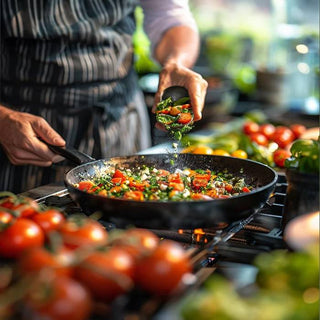

Dill seed is a small, flat, oval-shaped spice that comes from the dill plant (Anethum graveolens). While many people are familiar with fresh dill leaves, dill seeds offer a stronger, slightly bitter, and more intense flavor. Known for their warm, earthy, and mildly tangy taste, dill seeds are widely used in cooking, food preservation, and spice blends across different cuisines.
In this guide, we’ll explore what dill seed is used for, focusing purely on its practical and culinary applications.
Common Culinary Uses of Dill Seed
1. Pickling and Preserving
One of the most popular uses of dill seed is in pickling. Dill seeds are a key ingredient in pickling brines for cucumbers, carrots, onions, and other vegetables. They add a distinct, tangy flavor that defines many traditional pickle recipes.
Dill seeds are often combined with vinegar, garlic, mustard seeds, and salt to create flavorful preserving solutions.
2. Flavoring Breads
Dill seeds are frequently used in baking, especially in savory breads. They are commonly added to:
-
Rye bread
-
Soda bread
-
Crackers
The seeds provide a slightly sharp, aromatic flavor that pairs well with hearty grains and rustic recipes.
3. Seasoning Soups
Dill seeds can enhance the flavor of soups and stews. They work particularly well in:
-
Lentil soups
-
Vegetable stews
-
Broth-based dishes
When added early during cooking, dill seeds release their flavor slowly, giving depth to the dish.
4. Spice Blends
Ground dill seed is often included in spice mixes and dry rubs. It pairs well with spices like coriander, cumin, and black pepper.
These blends are commonly used to season:
-
Roasted vegetables
-
Grilled dishes
-
Savory snacks
Its bold flavor helps balance and enhance other spices in a mixture.
5. Flavoring Rice
Dill seeds are used in various rice and grain-based recipes to add a subtle aromatic touch. They are often lightly toasted in oil or butter before adding rice or grains, allowing their flavor to infuse the entire dish.
This technique is especially popular in Middle Eastern and South Asian cooking.
6. Cooking with Vegetables
Dill seeds are a great addition to vegetable dishes. They complement vegetables such as:
-
Potatoes
-
Cabbage
-
Carrots
-
Beans
They can be added during sautéing or tempering to create a more flavorful base.
7. Infusing Oils
Dill seeds are sometimes used to infuse oils and vinegars. By soaking the seeds in oil or vinegar over time, they release their flavor, creating a seasoned base for cooking or dressings.
This is a simple way to add a unique twist to homemade condiments.
Dill Seed in Global Cuisines
Dill seed is used in a variety of culinary traditions around the world:
-
European cuisine: Common in pickles, breads, and sauerkraut
-
Indian cuisine: Used in spice tempering and curry bases
-
Middle Eastern cuisine: Added to rice and meat dishes for aroma
Each region uses dill seed differently, but its strong, distinctive flavor makes it a valuable ingredient across cultures.
Whole vs. Ground Dill Seed
Dill seeds can be used either whole or ground, depending on the recipe:
-
Whole seeds: Ideal for pickling, tempering, and slow-cooked dishes
-
Ground seeds: Better for spice blends, rubs, and baking
Grinding the seeds releases more flavor, while whole seeds provide a milder, gradual infusion.
Tips for Using Dill Seed in Cooking
-
Lightly toast dill seeds before use to enhance their aroma
-
Use them sparingly, as their flavor can be quite strong
-
Combine them with complementary spices for balanced seasoning
-
Store in an airtight container to preserve freshness
Dill Seed Pairings:
To make the most out of dill seed, it’s helpful to know which ingredients complement its flavor. Some of the best pairings include:
-
Garlic and onions
-
Vinegar and citrus
-
Mustard seeds
-
Cumin and coriander
-
Potatoes and root vegetables
These combinations help balance dill seed’s boldness and create well-rounded dishes.
How to Store Dill Seed Properly
To maintain the freshness and flavor of dill seeds, proper storage is essential:
-
Keep them in an airtight container
-
Store in a cool, dry place away from sunlight
-
Avoid exposure to moisture
Whole dill seeds generally last longer than ground ones, so it’s often better to grind them only when needed.
When to Add Dill Seed During Cooking
Timing plays an important role in how dill seed affects a dish:
-
Early in cooking: Releases a deeper, infused flavor (ideal for soups, stews, and rice)
-
Midway: Balances flavor without overpowering
-
At the end: Adds a stronger, more noticeable taste and aroma
Adjusting when you add the seeds can completely change the final result of your dish.
Common Mistakes to Avoid
While dill seed is easy to use, a few common mistakes can affect your dish:
-
Using too much, which can overpower other flavors
-
Not toasting or crushing when needed
-
Adding it too late in slow-cooked dishes, where infusion is needed
-
Storing it improperly, leading to loss of flavor
Being mindful of these points ensures better results in your cooking.
The Spice Way
Dill seeds are a kitchen staple, perfect for pickles, seafood, vegetables, rice dishes, and more. If you’re looking for the best-quality dill seeds, The Spice Way offers a premium option that stands out for its flavor, purity, and versatility.
Flavorful and Versatile
The Spice Way’s dill seeds are packed with natural, earthy flavor that enhances a wide variety of dishes. Whether you’re pickling cucumbers, seasoning roasted vegetables, or adding a unique touch to seafood, a little goes a long way. Their robust aroma and taste make them ideal for authentic recipes from America, Europe, and the Middle East.
Pure and High-Quality
With The Spice Way dill seeds, you get a pure product—no preservatives, no additives, no MSG, no fillers, and completely non-GMO. This ensures that every dish you cook captures the full, natural flavor of dill without compromise.
Easy to Use
These seeds are incredibly easy to work with. Simply add them before cooking, and their bold flavor will infuse your dish. Toasting or grinding them can further enhance their aroma, making them a versatile addition to your spice cabinet.
Farm-to-Table Experience
The Spice Way brings over 30 years of expertise in growing, harvesting, and processing spices. Using traditional methods such as hand-picking, sun-drying, and careful grinding at their facility ensures that the dill seeds you receive are of the highest quality.
Bulk Orders
For quantities of 1 lb or more, The Spice Way may ship the product in a single bulk bag, making it easy to stock your kitchen or restaurant with premium dill seeds.
Final Thoughts
Dill seed is far more than just a pickling spice it’s a versatile ingredient that can enhance a wide variety of dishes. From marinades and sauces to roasted meals and fermented foods, its bold and aromatic profile makes it a valuable addition to any kitchen.
By experimenting with different cooking methods and pairings, you can unlock new flavors and bring more depth to your everyday recipes using dill seed.
FAQS
1. What dishes can I use dill seeds in?
Dill seeds are versatile and can be used in pickles, vegetables, seafood, rice dishes, and soups. They add a warm, earthy flavor that complements many savory recipes.
2. Should I use whole or ground dill seeds?
Whole dill seeds are ideal for slow-cooked dishes, pickling, or tempering, while ground seeds work well in spice blends, breads, and rubs. The choice depends on the recipe and desired intensity of flavor.
3. How much dill seed should I use in cooking?
Dill seeds have a strong flavor, so a small amount is usually sufficient. Start with a teaspoon or less and adjust based on your taste preferences.
4. Can I toast dill seeds before using them?
Yes, lightly toasting dill seeds in a dry pan can enhance their aroma and flavor. This works well for soups, rice dishes, and roasted vegetables.
5. How should I store dill seeds for the best quality?
Store dill seeds in an airtight container, away from heat, moisture, and sunlight. Whole seeds typically last longer than ground seeds, maintaining their flavor for months.