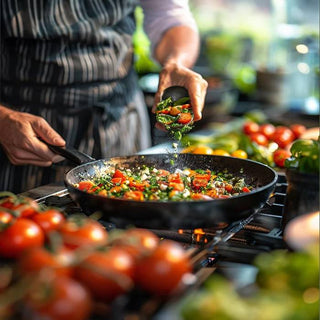

Thyme Leaves is one of those versatile herbs that has been treasured in kitchens and medicine cabinets around the world for centuries. Known for its aromatic flavor and subtle earthy notes, thyme leaves are more than just a garnish they are a powerhouse ingredient with numerous culinary and health benefits.
Culinary Uses of Thyme Leaves
Thyme leaves are highly versatile in cooking. Their robust flavor pairs well with a wide variety of dishes:
-
Poultry and Meat: Thyme enhances the flavor of roasted chicken, turkey, lamb, and beef, adding a fragrant, savory depth.
-
Vegetables: Sprinkle thyme on roasted or sautéed vegetables like carrots, potatoes, mushrooms, or zucchini for a fragrant, earthy boost.
-
Soups and Stews: Thyme is a classic addition to broths, soups, and stews, infusing long-cooked dishes with warm, aromatic undertones.
-
Herbal Seasonings: Often combined with rosemary, sage, or oregano, thyme forms the backbone of many herb blends for sauces, marinades, and dressings.
Its adaptability makes thyme a staple in Mediterranean, Middle Eastern, and even American cuisine. From hearty stews to delicate poultry dishes, thyme leaves elevate flavors naturally without overwhelming other ingredients.
Other Uses
Beyond cooking and health, thyme leaves can also be used in homemade beauty remedies or natural household cleaners due to their antimicrobial and aromatic qualities. For instance, thyme-infused oils or baths can help relax the mind and body, while thyme-based sprays can naturally freshen your kitchen or living space.
Choosing the Right Thyme Leaves
When selecting thyme, quality matters a lot. Freshly harvested, pure thyme leaves deliver stronger flavor and more potent benefits than dried, low-quality herbs that may contain fillers or preservatives.
This is where The Spice Way stands out. Their thyme leaves offer:
-
PREMIUM QUALITY –Multipurpose herb perfect for poultry, vegetables, meat, and various herbal seasonings.
-
Pure & Natural – No preservatives, additives, or fillers, and non-GMO.
-
Flavors of the World – Essential in authentic recipes from the Middle East, Asia, and America.
-
Freshness Guaranteed – Packed fresh in a resealable bag to retain aroma and flavor.
-
Farm to Table – 30 years of expertise in growing spices using traditional methods like hand-picking, sun-drying, and grinding.
When ordering quantities of 1 lb or more, The Spice Way may send the product in a single bulk bag, ensuring you get fresh, aromatic thyme leaves for all your culinary and health needs.
How to Use Thyme Leaves in Everyday Cooking?
Using thyme leaves in the kitchen is easy, and knowing the right methods can elevate your dishes significantly:
-
Fresh vs. Dried Thyme: Fresh thyme leaves are ideal for garnishing and adding delicate flavors at the end of cooking, while dried thyme is perfect for slow-cooked dishes like soups, stews, and roasts.
-
Infused Oils and Butter: You can make thyme-infused olive oil or butter to drizzle over bread, vegetables, or grilled meats for a subtle yet aromatic flavor boost.
-
Marinades and Rubs: Combine thyme leaves with garlic, lemon, and olive oil to create a marinade for meats or vegetables. Thyme’s earthy aroma penetrates the food, enhancing taste and aroma naturally.
-
Teas and Infusions: Steep fresh or dried thyme leaves in hot water to make a soothing herbal tea that supports respiratory health and digestion.
Storage Tips for Maximum Freshness
To make the most out of thyme leaves:
-
Store them in a resealable bag or an airtight container to preserve flavor and aroma.
-
Keep thyme in a cool, dry place, away from direct sunlight.
-
For long-term storage, consider freezing fresh thyme leaves; this keeps them potent and ready for cooking at any time.
Creative Ways to Use Thyme Leaves
Thyme leaves are incredibly versatile, and experimenting with them can transform ordinary meals into restaurant-quality dishes:
-
Roasted Vegetables with Thyme: Toss carrots, potatoes, or bell peppers with olive oil, salt, pepper, and fresh thyme leaves. Roast until golden brown for a flavorful, aromatic side dish.
-
Thyme-Infused Meat Dishes: Rub thyme leaves with garlic, lemon zest, and olive oil onto chicken, lamb, or beef before roasting. The herb penetrates the meat, giving a deep, savory flavor that pairs perfectly with roasted or grilled meals.
-
Savory Breads and Biscuits: Add chopped thyme leaves to the dough for homemade bread or the batter for biscuits. Thyme adds subtle herbaceous notes that elevate baked goods and pair beautifully with cheeses and butter.
-
Herbal Teas and Beverages: Brew thyme leaves with honey, lemon, or mint for a soothing tea. It can also be added to cocktails or infused waters for a refreshing herbal twist.
-
Homemade Sauces and Dressings: Mix thyme leaves into vinaigrettes, tomato sauces, or creamy dressings. Its earthy flavor complements both simple and complex sauces.
Pairing Thyme with Other Herbs and Spices
Thyme works well with a wide range of herbs and spices, enhancing both flavor and aroma:
-
With Rosemary: Perfect for roasted meats and vegetables.
-
With Oregano: Ideal for Mediterranean and Italian dishes.
-
With Basil: Excellent in tomato-based sauces and pasta dishes.
-
With Garlic and Lemon: A classic combination that works for poultry, seafood, and vegetables.
-
With Black Pepper and Paprika: Adds depth to grilled or smoked meats.
Why Choose The Spice Way for Thyme Leaves?
When it comes to premium quality thyme, The Spice Way ensures you get a product that is pure, fresh, and full of flavor:
-
Premium Thyme Leaves – Perfect for poultry, vegetables, meat, and herbal seasonings.
-
Pure and Natural – No preservatives, additives, or fillers, and non-GMO.
-
Flavors of the World – Widely used in authentic recipes from the Middle East, Asia, and America.
-
Farm-to-Table Freshness – With 30 years of experience, The Spice Way uses traditional methods such as hand-picking, sun-drying, and grinding to maintain quality.
-
Resealable Packaging – Keeps your thyme leaves fresh longer. Bulk orders of 1 lb or more may arrive in a single convenient bag, ideal for avid cooks and chefs.
With The Spice Way’s thyme leaves, you can be confident that your dishes are infused with rich, authentic flavors while also enjoying the natural benefits of this remarkable herb.
Conclusion
In conclusion, thyme leaves are a versatile herb that brings flavor, aroma, and natural health benefits to your kitchen and daily life. From enhancing the flavor of meats, vegetables, and sauces to supporting immunity and digestion, thyme is a simple yet powerful ingredient. Choosing high-quality thyme leaves ensures you get the most out of this remarkable herb, and The Spice Way offers premium, fresh, and pure thyme that meets all your culinary and wellness needs. With their carefully hand-picked, sun-dried, and farm-to-table quality, The Spice Way thyme leaves make it easy to elevate your meals and enjoy the natural benefits of this timeless herb.
FAQS
1. What dishes can I use thyme leaves in?
Thyme leaves are versatile and can be used in poultry, meat, vegetables, soups, stews, sauces, and even herbal teas to enhance flavor naturally.
2. Are thyme leaves good for health?
Yes, thyme leaves contain antioxidants and antimicrobial properties and can support digestion, respiratory health, and overall immunity.
3. Can I use fresh and dried thyme interchangeably?
Fresh thyme is best added near the end of cooking for a delicate flavor, while dried thyme is ideal for long-cooked dishes like soups, stews, and roasts.
4. How should I store thyme leaves to keep them fresh?
Store thyme in an airtight container or resealable bag, in a cool, dry place away from direct sunlight. Freezing fresh leaves is also a good option for long-term storage.
5. Can thyme leaves be used outside of cooking?
Yes, thyme can be used for herbal teas, infused oils, natural remedies, and even in homemade skincare or household cleaners for its aromatic and antimicrobial properties.